Skip to content

Venice Biennale 2026
April 2026
How to experience the Venice Biennale properly
For discerning art collectors and art lovers, here is your ultimate guide to planning a visit to the Venice Biennale 2026.
Widely considered the world’s most important and influential exhibition of contemporary art, the Venice Biennale is less something you visit, and more something you move through. It returns this year from 9 May to 22 November 2026, with pre-opening days taking place from 6 to 8 May. Tickets went on sale in late February, with early-bird sales officially launched on 25 February 2026. You can find the official programme, ticket information and updates on the official Venice Biennale website.
This year’s curatorial vision
The 2026 edition, titled In Minor Keys, was conceived by the late Koyo Kouoh, one of the most respected curatorial voices of her generation, and the first African woman appointed to curate the Venice Biennale. Her vision brings a distinct shift in perspective, opening the exhibition toward more layered, global narratives. Following her sudden passing in May 2025, La Biennale di Venezia chose to carry out the exhibition according to the curatorial framework, artist selection, graphic identity, and exhibition architecture she had already developed, with her team continuing the work in her spirit.
Rather than pursuing spectacle for its own sake, In Minor Keys promises a more sensory, meditative, and emotionally resonant Biennale. In the curatorial text presented by Kouoh’s team, the exhibition is described as one tuned to relation, sharing, collectivity, and the quieter frequencies of art, one intended to be more sensory than didactic, renewing rather than exhausting.
The main venues and pavilions not to miss
The two main Biennale venues remain the Giardini and the Arsenale, with additional exhibitions and collateral events unfolding across Venice. This year there are 99 National Participations and 31 Collateral Events, confirming once again that Biennale season is experienced across the whole city, not only within the formal exhibition grounds.
Not every pavilion is worth your time, which is precisely why a more selective approach makes the experience far more rewarding. If I were narrowing the national pavilions down to just a few highly anticipated presentations this year, I would place these high on the list:
• The British Pavilion, where Lubaina Himid presents Predicting History: Testing Translation, is one of the most closely watched commissions of the season. Preview coverage has highlighted it as a major pavilion to watch, with Himid bringing large-scale new paintings and her distinct exploration of belonging, history, and home into the pavilion’s neoclassical setting.
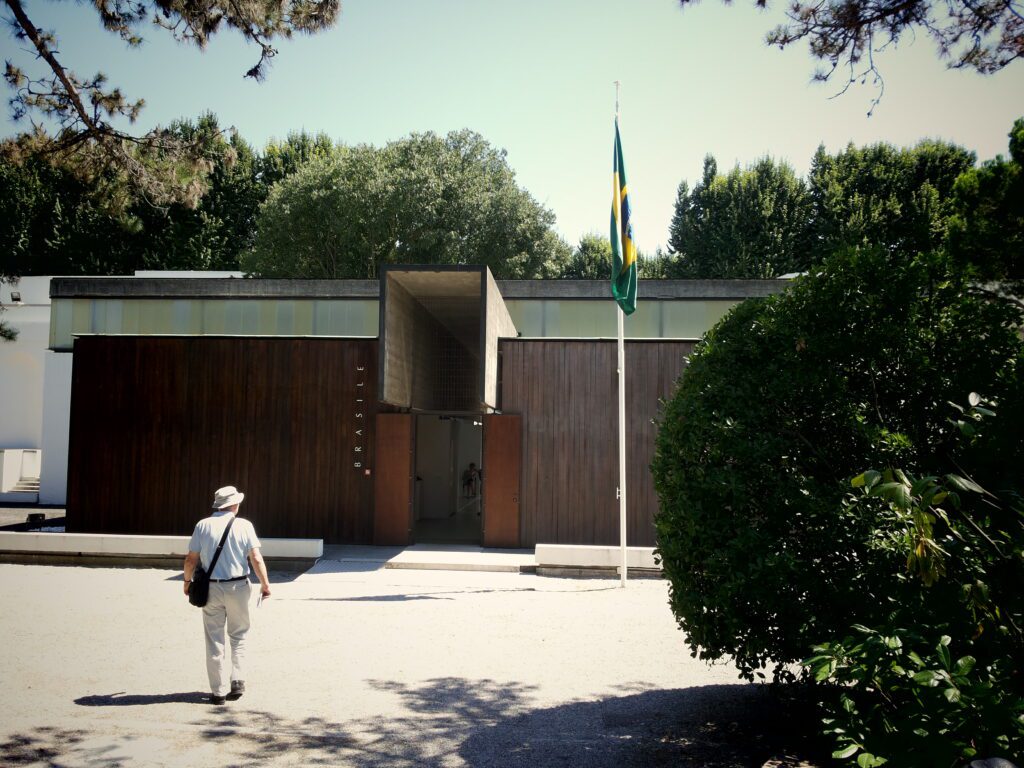
• The Brazil Pavilion also looks particularly compelling this year. Official Biennale materials confirm that Rosana Paulino and Adriana Varejão will represent Brazil in a project curated by Diane Lima, built around ideas of protection, toxicity, and resilience. ArtReview also singled it out as one of the pavilion projects worth watching, not least because it coincides with the reopening of Brazil’s restored pavilion building.
• The Australia Pavilion, featuring Khaled Sabsabi, is another one I would keep firmly on the radar. It has already attracted significant attention in the international art press, and The Art Newspaper notes that Sabsabi will also be part of the main Biennale exhibition, which only strengthens its relevance this year.
Beyond the Venice Biennale
Beyond the main venues, Biennale season always spills beautifully into the city itself, and that is where Venice becomes especially rewarding.
Among the off-site exhibitions I would strongly consider this year are:
• Nalini Malani’s Of Woman Born at Magazzini del Sale, an immersive multi-media installation of animations and soundscapes
• Barry X Ball’s The Shape of Time at the Basilica of San Giorgio Maggiore
• Helter Skelter at Fondazione Prada’s Ca’ Corner della Regina, placing works by Arthur Jafa and Richard Prince into dialogue
A moment at Peggy Guggenheim
And then there is the Peggy Guggenheim Collection, which remains absolutely essential. It offers one of the most concentrated and elegant modern art collections in Venice, set within Peggy’s former home on the Grand Canal, and serves as the ideal counterpoint to the scale and intensity of the Biennale itself.
After a recent renovation period, the café has reopened and remains one of the most discreetly beautiful spots in Venice for a short pause, ideal for a quiet coffee overlooking the Grand Canal.
Where to stay
2026 is a particularly interesting year for Venice, with several landmark hotel openings and renovations quietly reshaping the city’s luxury landscape.
Where you stay during the Biennale shapes the entire experience.
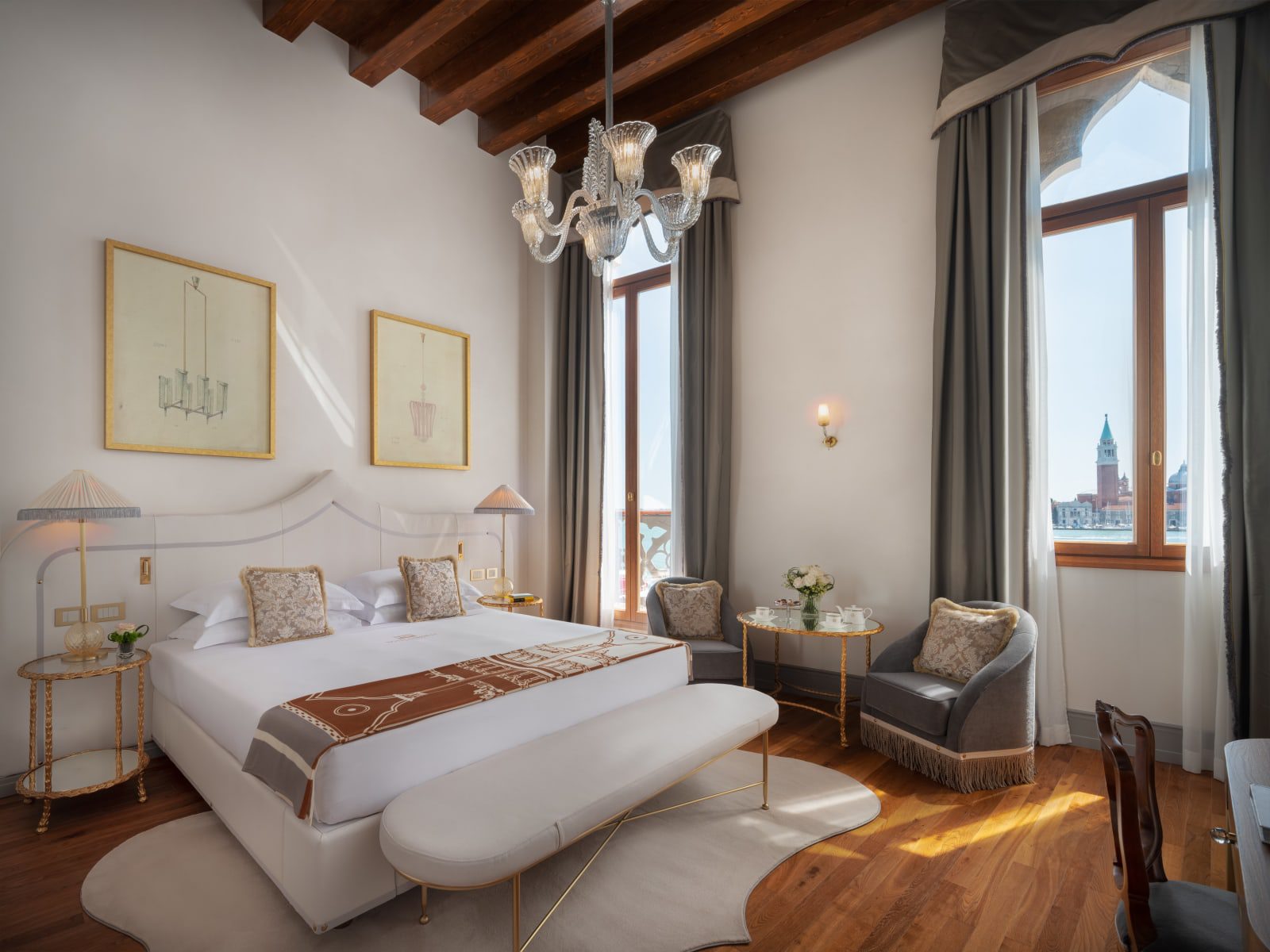
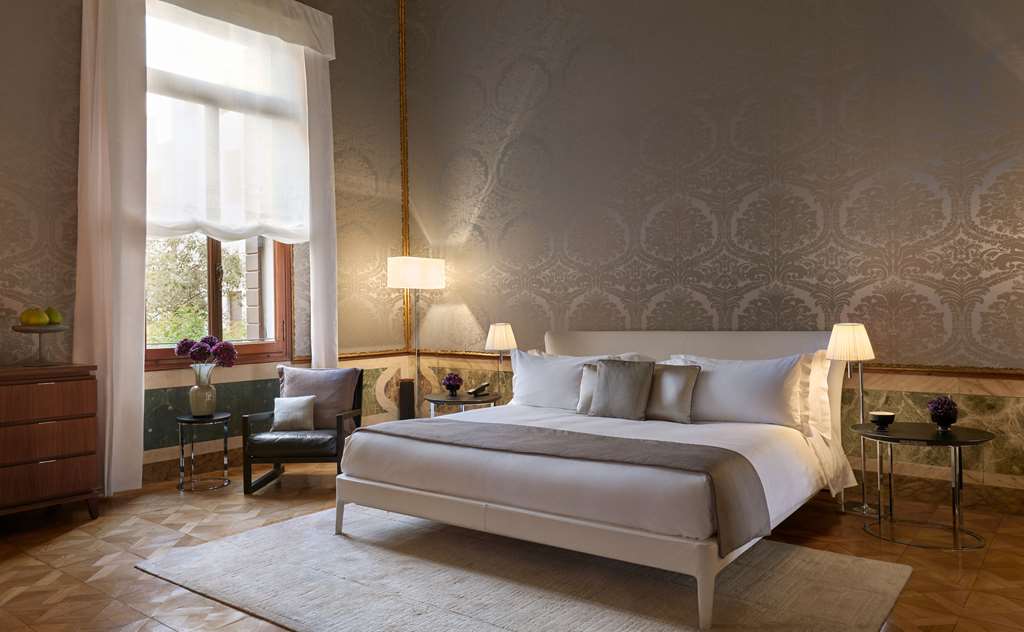
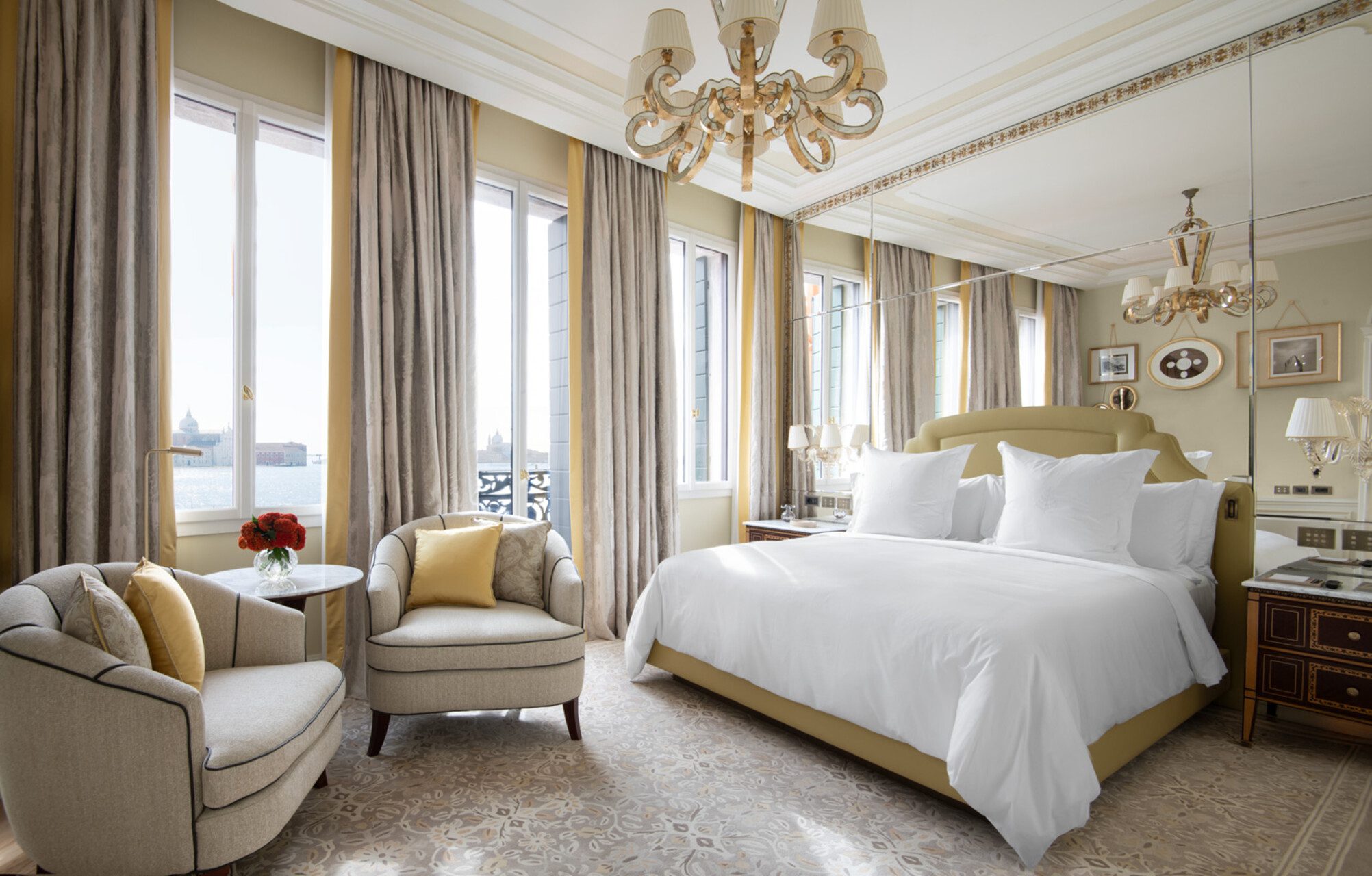
For those seeking privacy and a true palazzo setting, Aman Venice remains one of the city’s most exceptional addresses, offering a rare sense of quiet in the heart of Venice. For those who prefer to stay within immediate reach of the Biennale, Hotel Gabrielli offers a beautifully restored historic setting just moments from the Giardini, allowing for a more fluid and effortless experience of the exhibition.
How I can help
Experiencing the Venice Biennale properly is not about seeing everything, but about selecting the right moments and creating a rhythm that allows the experience to unfold naturally.
With a background in art history, I work closely with my clients to prepare each journey with intention, from selecting the most relevant exhibitions to securing the right hotel and arranging private or specialist-led visits.
If Venice is on your calendar this year, feel free to get in touch for hotel bookings, curated recommendations, and specialist art-focused arrangements.